




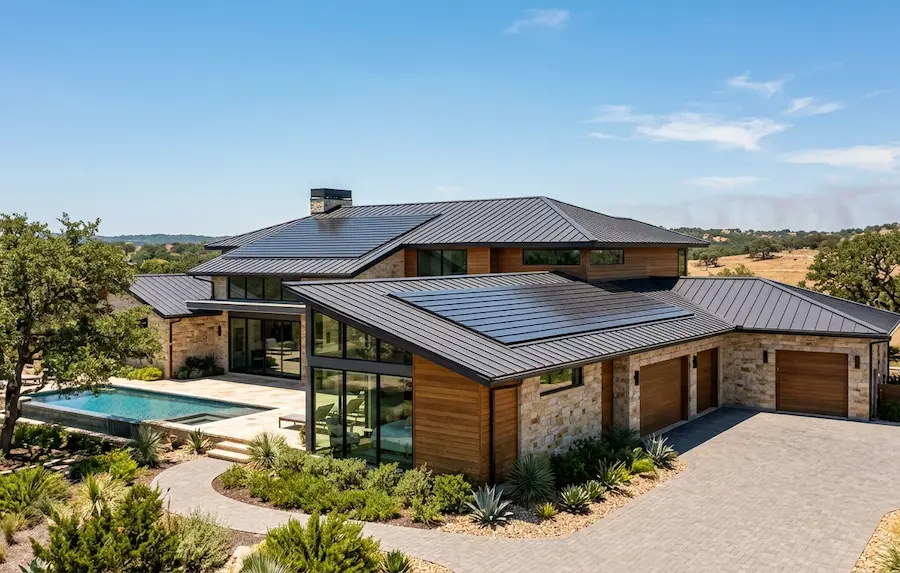
If you live in Texas, your roof deals with more than just a few hot afternoons. It takes relentless UV exposure, long stretches of high temperatures, humidity in some regions, and, depending on where you are, hail, wind, and sudden storms. That is why choosing the best roofing material for Texas heat is not just about looks. It is about energy efficiency, durability, comfort, and long-term value.
From what we see on Texas roofs, the best material is usually the one that can handle intense sun exposure without trapping excessive heat, while still holding up against the rest of the state’s weather extremes. For many homeowners, that puts metal roofing near the top of the list. But it is not the only good option. Clay tile, concrete tile, and high-quality cool asphalt shingles can also make sense depending on the home, budget, and structure.
The mistake many homeowners make is focusing on only one factor. A roof that performs well in dry heat may not be the best fit if your home also needs strong storm resistance, lower maintenance, or a lower upfront price. In Texas, the “best” roof is rarely universal. It depends on how you balance heat performance with cost, longevity, appearance, and weather protection.
In our market, we also see how often attic heat becomes part of the problem. Homeowners think the roofing material alone will solve indoor comfort issues, but the full system matters. Material, color, underlayment, ventilation, and installation quality all work together. That is why the smartest way to choose a new roof is to understand how each material behaves in real Texas conditions, not just what looks good in a brochure.
This guide breaks down the best roofing materials for Texas heat, compares their strengths and tradeoffs, and helps you decide which one fits your home best.
Why Texas Heat Is So Hard on Roofs
Texas heat is especially tough on roofing because it is not just about air temperature. Roof surfaces absorb direct solar radiation for hours at a time, and that heat can build up fast. On sunny days, the roof surface can become much hotter than the outdoor air. Once that happens, the attic starts trapping heat, HVAC systems work harder, and cooling costs climb.
Sun exposure, attic temperatures, and rising cooling costs
A roof is your home’s first shield against solar heat gain. When roofing materials absorb and retain too much heat, that energy transfers downward into the attic and living space. Even when insulation is decent, prolonged heat exposure can still increase indoor discomfort and force your air conditioner to run longer.
That is one reason Texas homeowners often ask which roofing material keeps a house coolest. It is a fair question, but the answer is not just about one “coolest” product. Some materials reflect more sunlight. Others hold less heat. Others pair better with vented assemblies. The best-performing roofs in hot climates usually combine several advantages instead of relying on one feature alone.
In many inspections, excessive attic heat shows up alongside aging shingles, poor airflow, worn flashing, or underperforming ventilation. So while roofing material matters a lot, it performs best when the entire roof system is designed to reduce heat buildup.
Why heat alone is not the only concern in Texas
Texas roofs also deal with hail, wind uplift, sudden heavy rain, and humidity. That changes the recommendation. A roof that is excellent in dry, sunny weather but weak in storms may not be the best long-term investment. This is especially true in places like Houston, where humidity and severe weather are just as important as summer heat.
That is why Texas homeowners should avoid choosing a roof based only on marketing claims like “energy efficient” or “heat proof.” The better question is this: Which roofing material performs best in Texas heat while still matching your home’s storm exposure, budget, and expected lifespan?
That is the question we are answering here.
What Makes a Roofing Material Good for Hot Climates?
A good roofing material for hot climates usually does four things well: it reflects sunlight, limits heat absorption, resists UV damage, and stays durable over time. The better it handles those jobs, the more likely it is to reduce heat stress on the home and maintain performance through Texas summers.
Solar reflectance vs. heat absorption
Some roofing materials naturally reflect more solar energy than others. This is often called solar reflectance. In simple terms, reflective roofing sends more sunlight away instead of absorbing it. That can help lower roof surface temperatures and reduce the amount of heat entering the attic.
Metal roofing performs well here, especially in lighter or specially coated finishes. Some cool-roof shingles are also designed to improve reflectivity compared with standard asphalt products. Tile can also perform well, depending on color, profile, and installation design.
But reflectivity is only one part of the picture. A dark reflective roof may still absorb more heat than a light-colored alternative. That is why roof color and material should be considered together, not separately.
Thermal mass, ventilation, and durability
Some materials, like clay and concrete tile, have higher thermal mass. That means they absorb heat more slowly and can help moderate temperature transfer. In practice, they often work especially well when installed in a way that creates air space beneath the material, helping heat dissipate before it reaches the decking.
Ventilation matters just as much. Even the best roofing material will struggle if the attic cannot release trapped heat. Ridge vents, intake vents, insulation, and underlayment all influence performance. We often tell homeowners that a roof replacement is the best time to look at the whole assembly, not just the visible surface.
Durability is another major factor in Texas. Constant sun exposure can dry out, crack, fade, or age some materials faster than others. So the best roof for Texas heat is not just one that starts cool. It is one that keeps performing after years of UV exposure and seasonal weather stress.
Best Roofing Materials for Texas Heat
Here are the materials that make the most sense for Texas homeowners, starting with the strongest overall options.
Metal roofing
Metal roofing is one of the best roofing materials for Texas heat because it reflects sunlight well, resists UV damage, and offers excellent longevity. Standing seam metal roofs are especially popular for homeowners who want strong heat performance and a modern, durable system.
A common misconception is that metal roofs make homes hotter. In reality, properly installed metal roofs often do the opposite. Because they reflect solar radiation instead of holding onto it the way some darker, heat-absorbing materials do, they can help reduce heat gain. Add the right coating and color, and the performance improves even more.
Metal roofing also does well in many Texas storm conditions. It is durable, low maintenance, and can last decades. The tradeoff is price. It usually costs more upfront than asphalt shingles, which makes it a bigger investment. But for homeowners planning to stay in the home long term, metal roofing often makes sense.
Best for: homeowners who want strong heat performance, long lifespan, and low maintenance.
Clay tile roofing
Clay tile has long been a smart choice in hot climates, and there is a reason it remains part of that conversation. It handles heat well, looks distinctive, and offers excellent durability. The shape of many tile systems also creates natural air channels that can help reduce heat transfer.
Clay tile is especially attractive for homes with Mediterranean, Spanish, or southwestern architectural styles. It is also a premium option from a design standpoint. The downside is weight and cost. Not every home is structurally ready for clay tile, and installation is more specialized than with asphalt shingles.
For Texas homeowners focused on keeping a house cooler while also investing in curb appeal and longevity, clay tile is a strong contender. It may not be the most budget-friendly option, but it is absolutely one of the best premium choices.
Best for: premium homes where heat performance, aesthetics, and lifespan matter more than lower upfront cost.
Concrete tile roofing
Concrete tile offers some of the same hot-climate advantages as clay tile but usually at a slightly lower cost. It is durable, handles heat well, and gives homeowners a high-end appearance. Like clay, it is heavier than many other roofing materials, so structural suitability must be checked first.
In practical terms, concrete tile can be a strong fit for Texas because it combines respectable heat performance with good durability. Homeowners who want something substantial and long-lasting often like it as an alternative to clay tile.
The main drawbacks are installation complexity, structural weight, and replacement cost if repairs become necessary. Still, when installed correctly on the right home, it can be an excellent long-term roofing choice.
Best for: homeowners who want a durable, upscale roof with strong hot-weather performance.
Cool asphalt shingles
Asphalt shingles remain the most common residential roofing material in Texas because they are affordable, versatile, and easier to install than many premium materials. Standard shingles are not usually the top performer for extreme heat, but cool asphalt shingles can be a different story.
These products are designed to reflect more sunlight than traditional shingles. While they still may not match premium metal roofing in raw heat performance, they can offer a much better balance of cost and comfort than basic shingles. For many homeowners, that balance is exactly what makes them the right decision.
In our market, shingles are often the most practical option for homeowners who want a reliable roof replacement without stepping into premium pricing. The key is choosing the right product grade, color, and ventilation setup rather than treating all shingles as equal.
Best for: homeowners who need a cost-effective roof that still performs well in Texas heat.
Slate and synthetic slate
Slate is highly durable and attractive, but it is expensive and heavy. Synthetic slate offers a similar look with less weight and often lower cost. For Texas heat, both can be viable, though they are usually more niche choices than metal, tile, or shingles.
Synthetic slate can be especially appealing for homeowners who want a premium appearance but need something lighter and more adaptable than natural slate. Still, it is often chosen more for aesthetics and durability than as the first answer to reducing heat gain.
Best for: high-end homes prioritizing style, durability, and architectural character.
Which Roofing Material Is Best for Texas Homeowners?
There is no single answer for every home, but there is a practical ranking when heat is the main concern.
Best overall
For most homeowners, metal roofing is the best overall roofing material for Texas heat. It combines high reflectivity, strong durability, long lifespan, and low maintenance. It also handles Texas weather well beyond just heat, which matters more than many buyers realize.
Best for lower upfront cost
If budget is a priority, cool asphalt shingles are often the best value. They are more affordable, widely available, and can still perform well when paired with good ventilation and lighter color choices. They may not have the same lifespan as metal or tile, but they make sense for many households.
Best for premium longevity
If you want a premium roof and your home can support the weight, clay tile is one of the best long-term materials for hot climates. It performs well in heat and offers standout curb appeal.
Best balance for heat, hail, and storms
For many Texas homes, especially in areas that regularly deal with severe weather, the best answer is not simply “the coolest roof.” It is often the material that gives you a strong combination of heat performance, durability, and storm resistance. That is one reason metal roofing stays near the top of the list, especially when homeowners want one roof system that covers multiple priorities well.
Metal Roof vs. Shingles in Texas Heat
This is one of the most common comparisons because it reflects how most homeowners actually shop. They are often choosing between the long-term benefits of metal and the lower upfront cost of shingles.
Cooling performance
Metal roofing generally performs better in Texas heat. It reflects more solar energy, especially when finished with reflective coatings, and it does not hold heat in the same way some darker asphalt roofs can. That can translate into less heat entering the attic and, in some homes, lower cooling strain.
Cool asphalt shingles improve on standard shingles, but they still tend to sit below metal in heat performance. That does not make them a bad choice. It just means they are often the “better budget choice” rather than the best pure heat-control option.
Cost and lifespan
Shingles usually win on initial price. That matters, especially when a homeowner needs a full replacement and wants to keep costs manageable. Metal roofing costs more upfront, but it often lasts significantly longer and requires less maintenance over time.
So the better value depends on your timeline. If you are staying in the home for years and want stronger long-term performance, metal is often worth the higher entry cost. If you need a practical, cost-conscious solution now, architectural or cool shingles may be the smarter move.
When each option makes sense
Choose metal if:
- heat reduction is a top priority,
- you want a longer-lasting roof,
- you are comfortable with higher upfront investment.
Choose shingles if:
- budget is tighter,
- you want a dependable and attractive residential option,
- you select higher-quality products designed for hot-weather performance.
The Best Roof Color for Texas Heat
Roof color absolutely matters in Texas. In general, lighter colors reflect more sunlight and absorb less heat than darker colors. That is why white, light gray, beige, and other lighter roofing tones tend to perform better in hot climates.
Light vs. dark roofing
A lighter roof can help reduce heat buildup at the surface level. That does not mean every homeowner needs a bright white roof, but it does mean color should be part of the conversation. A medium-to-light tone often provides a good compromise between appearance and thermal performance.
Darker roofs may still be appropriate in some cases, especially if the material itself is high-performing or the home’s design calls for it. But if two otherwise similar materials are being compared, the lighter color usually has the edge in hot-weather efficiency.
When color matters less than material
Color is important, but it does not override everything else. A poor-quality roof in a light color can still underperform compared with a better system in a slightly darker tone. Material, product quality, underlayment, ventilation, and installation standards all matter.
That is why the best roofing decision in Texas is rarely just “pick the lightest color.” It is about choosing the right roofing system, then optimizing the color and design choices within that system.
Don’t Ignore These Texas-Specific Factors
A roof that handles heat well but fails under storm stress is not really the best roof for Texas.
Hail resistance and storm performance
In many parts of Texas, hail and wind are just as important as high temperatures. That is why homeowners should look beyond cooling performance and ask how the roof will hold up under impact and severe weather.
For example, some premium shingles and certain metal systems can offer a better mix of affordability and storm resistance than a heat-first buyer might initially expect. A roof should be evaluated as a full Texas-weather solution, not just a summer upgrade.
Humidity, ventilation, and roof lifespan
In Houston and other humid regions, ventilation becomes even more important. Hot, trapped, moisture-heavy air can accelerate wear and affect comfort. A well-designed roof system needs to manage both temperature and airflow.
This is something homeowners often overlook. They compare materials online but do not realize their current roof issues may be partially tied to poor ventilation rather than material choice alone.
Structural support for heavier materials
Tile, slate, and some premium systems require more structural capacity than asphalt shingles. Before selecting a heavy roofing material, the home should be evaluated to confirm it can support the load safely and cost-effectively.
How to Choose the Right Roof for Your Home
The best roofing material for Texas heat depends on your priorities.
Budget, architecture, and long-term value
Ask yourself:
- Do I want the best heat performance, or the best overall value?
- Am I planning to stay in this home long term?
- Does my home’s structure support heavier materials?
- How important are appearance and resale value?
- Do I also need strong hail and storm resistance?
For many homeowners, the answer ends up somewhere between ideal performance and practical investment. That is completely normal. The goal is not to buy the most expensive roof. The goal is to choose the roof that performs best for your specific home and climate exposure.
When to schedule a professional inspection
A professional inspection is especially useful when:
- your roof is aging,
- your attic gets extremely hot,
- cooling bills are climbing,
- you are deciding between multiple materials,
- you want to know whether ventilation or storm damage is already affecting performance.
In many cases, a roof evaluation helps narrow the decision much faster than online research alone because it puts the material choice in the context of your actual home.
Final Verdict: The Best Roof for Texas Heat
If you want the clearest answer, metal roofing is the best overall roofing material for Texas heat for most homeowners. It reflects sunlight well, holds up under extreme UV exposure, lasts a long time, and offers strong all-around performance.
That said, it is not the right answer for every budget or every house. Cool asphalt shingles are often the best practical option for homeowners who want a lower upfront cost. Clay tile and concrete tile are excellent premium choices when the structure and budget support them. And in all cases, roof color, ventilation, and installation quality can make a major difference in real-world performance.
The best roofing decision in Texas is the one that balances heat control, storm durability, lifespan, appearance, and budget. When those pieces come together, you do not just get a cooler roof. You get a smarter long-term investment for your home.
FAQs
For many homeowners, yes. Metal roofing is one of the best options because it reflects solar energy well, resists UV damage, and offers long-term durability.
They can be, especially if you choose high-quality architectural or cool shingles. They are usually not the top performer for extreme heat, but they can still be a very good value.
In many cases, a reflective metal roof in a lighter color performs best. Tile can also do very well, especially when installed with airflow in mind.
Lighter colors generally perform better because they reflect more sunlight and absorb less heat.
Tile performs very well in heat, but metal often wins on overall balance because it combines strong thermal performance with lower weight and excellent longevity.
It matters a lot. Even a great roofing material can underperform if the attic traps heat and airflow is poor.